Digital technology in construction refers to the use of connected tools, software and data to plan, manage and deliver construction projects more efficiently. It covers every stage of a project, from design and scheduling to site monitoring, reporting and handover.
For construction companies, the main objective is not simply to add more software. It is to create a more reliable flow of information between teams, systems and project stages. When data moves faster and remains accessible to everyone involved, project managers can identify issues earlier, coordinate teams more effectively and make decisions based on current information rather than delayed reports.
Digital construction technology now includes tools such as Building Information Modeling, cloud-based platforms, artificial intelligence, connected sensors, drones and digital twins. These technologies are increasingly combined within broader digital construction workflows.
💡
Key Takeaways - Digital Technology in Construction
Connected Workflows Over Isolated Software: Digital construction technology (BIM, cloud platforms, AI, IoT) creates value by establishing a seamless data flow between field and office teams, eliminating information silos rather than just digitizing paper processes.
Proactive Risk Control and Quality Management: Real-time monitoring, reality capture (drones, site cameras), and AI-driven analytics reduce errors, catch design clashes early, and allow project managers to control costs and schedules before delays compound.
End-to-End Lifecycle Continuity: Tools like BIM and Digital Twins extend project data far beyond handover, giving owners and facility managers structured visual and operational data for ongoing building maintenance and sustainability.
Integration and Field Usability Drive ROI: Successful adoption depends on choosing user-friendly, mobile-first solutions that fit existing tech stacks and address specific operational friction rather than simply buying software with complex feature lists.
What is digital technology in construction?
Digital technology in construction includes the tools and systems used to collect, share, analyze and act on project data.
Traditional construction workflows often rely on fragmented information. Plans may be stored in one system, progress reports in another and site observations in emails or spreadsheets. Digital solutions for construction aim to bring this information together and make it easier to access across teams.
A digital construction environment can support activities such as:
project planning and scheduling;
document and drawing management;
construction site monitoring;
progress reporting;
safety inspections;
cost tracking;
communication between field and office teams;
asset management after project completion.
Digital construction management therefore goes beyond digitizing documents. It involves connecting people, processes and project information so that decisions can be made from a shared and up-to-date view of the project.
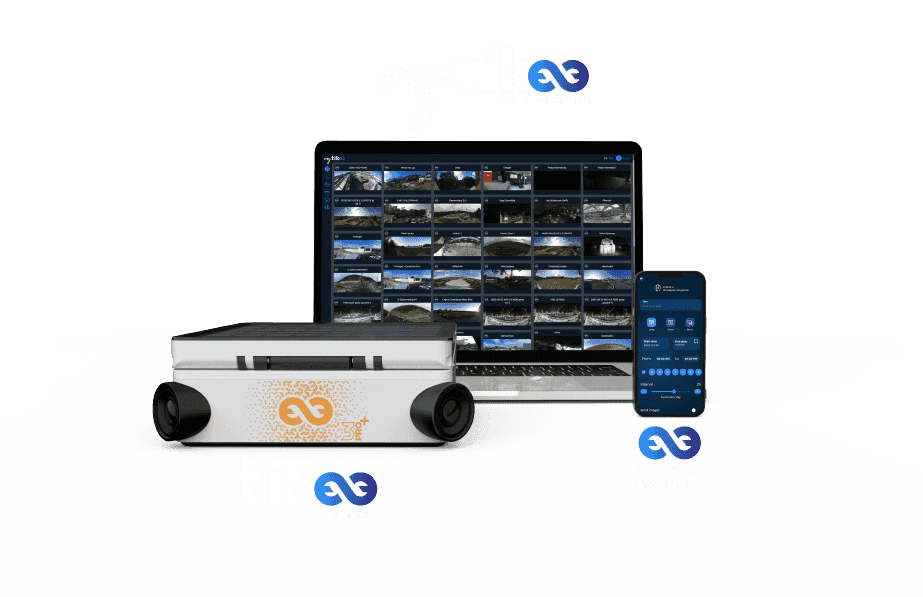
For example, a construction progress monitoring software can help teams centralize visual project data and follow site evolution remotely. This type of tool becomes more valuable when it connects with reporting and project management processes rather than operating as an isolated system.
What are the main digital technologies used in construction?
Construction companies use different technologies depending on the type of project, the teams involved and the information they need to manage. Some tools focus on design, while others improve site visibility, automation or project control.
Building Information Modeling (BIM)
Building Information Modeling, or BIM, creates a structured digital representation of a building or infrastructure project.
A BIM model can contain information about geometry, materials, equipment and technical systems. Unlike a traditional drawing, it can serve as a shared source of project information throughout design and construction.
Teams use BIM to coordinate disciplines, detect clashes and improve communication between architects, engineers and contractors. When models are updated consistently, they also reduce the risk of teams working from outdated information.
BIM is particularly useful on complex projects where several technical disciplines must coordinate their work within the same physical space.
Cloud-based construction platforms
Cloud-based platforms allow project teams to access documents, images, reports and project information from different locations.
This is especially important in construction because field teams and office teams rarely work in the same place. A cloud platform can provide both groups with access to the same project information without relying on local files or manual document transfers.
These platforms often support document management, approvals, reporting, task tracking and collaboration.
They also strengthen jobsite communication by reducing the time between an issue being identified on site and the information reaching the people responsible for resolving it.
Artificial intelligence and automation
Artificial intelligence is increasingly used to process large volumes of construction data and identify information that would otherwise require manual analysis.
AI can support tasks such as document analysis, progress tracking, image recognition, forecasting and risk detection.
For example, computer vision systems can analyze images captured on construction sites and identify specific objects or conditions. AI cameras for construction can support automated site analysis by extracting useful information from visual data.
AI is also becoming relevant to project management. Applications of ai in construction management include schedule analysis, resource planning and the identification of project risks from historical and real-time data.
Automation complements these tools by reducing repetitive manual work. Automated reporting, notifications and data synchronization can free project teams from low-value administrative tasks and improve data consistency.
KEY ACCOUNTS
Coordinating a multi-site deployment
Standardization of views, access management by subsidiary, integration with your monitoring tools: an expert works with your teams to develop the deployment plan.
30-minute one-on-one video call · Free and with no obligation
Internet of Things and smart sensors
The Internet of Things, or IoT, connects physical equipment and sensors to digital platforms.
On construction sites, connected devices can collect information such as temperature, humidity, equipment activity, environmental conditions or access events.
This data can be transmitted automatically to monitoring platforms, allowing teams to follow conditions remotely and respond more quickly when thresholds are exceeded.
Smart sensors can also support asset tracking and equipment management. Instead of relying on manual checks, teams can monitor the location or status of connected assets through digital dashboards.
IoT is particularly useful when project managers need continuous information rather than periodic site inspections.
Drones and reality capture
Drones provide aerial data that can be used to document and monitor construction sites.
They can capture photographs, video and survey data across large or difficult-to-access areas. Regular drone flights also make it possible to compare site conditions over time.
Drone construction monitoring can support progress tracking by giving project teams a broader visual view of site development.
Reality capture technologies also include photogrammetry, laser scanning and fixed cameras. These tools create a detailed visual record of site conditions that can be compared with plans, schedules or BIM models.
A visual archive is particularly useful when teams need to verify previous site conditions, document completed work or communicate progress to external stakeholders.
Digital twins
A digital twin is a digital representation of a physical asset that can be updated using real-world data.
In construction, digital twins can combine BIM models with information from sensors, equipment or building management systems.
Their main advantage is that the digital representation can continue to evolve after construction is complete. This makes digital twins useful not only during project delivery but also during building operation and maintenance.
Facility managers can use a digital twin to understand how systems are performing, locate assets and support maintenance decisions.
Digital twins therefore help extend digital construction workflows beyond project handover.
Augmented and virtual reality
Augmented reality and virtual reality make digital project information easier to visualize.
Virtual reality can place users inside a digital model before the building is constructed. This can help teams review layouts, identify design issues and communicate project concepts to clients.
Augmented reality overlays digital information onto the physical environment. On site, it can be used to compare planned elements with actual conditions or provide additional information about specific areas.
These technologies are particularly useful when spatial information is difficult to understand from drawings alone.
How digital technology improves construction management
Digital construction technology improves project management by making information easier to collect, share and analyze.
Construction managers need to coordinate schedules, subcontractors, documentation, site activity and client expectations at the same time. When this information is fragmented, project teams spend more time searching for data and reconciling conflicting versions.
Digital tools reduce this friction by creating shared workflows and more consistent project data.
Digital construction project management
Digital construction project management combines traditional project management methods with digital tools for planning, reporting and coordination.
Project managers can use digital platforms to track tasks, monitor deadlines and centralize information from different teams.
The main benefit is improved visibility. Instead of waiting for weekly reports, managers can access more recent information about project progress and potential issues.
This also improves accountability. When tasks, comments and approvals are recorded within the same platform, it becomes easier to understand what has been completed, what remains pending and who is responsible.
Digital project management does not remove the need for human coordination. It gives teams better information on which to base that coordination.
Better collaboration between field and office teams
Construction projects often suffer from a gap between what happens on site and what is visible to office-based teams.
Site teams may identify changes or delays that are not immediately reflected in schedules or reports. At the same time, project managers may make decisions based on information that is already outdated.
Digital tools shorten this feedback loop.
Mobile applications, cloud platforms and visual monitoring systems allow information to move more quickly between locations. A site manager can upload photographs or comments directly from the field, while office teams can review them without waiting for a formal report.
Construction site monitoring can also give project stakeholders remote access to visual information about site conditions and progress.
This improves collaboration because discussions are based on shared evidence rather than incomplete descriptions.
Real-time project tracking and reporting
Project tracking becomes more useful when information is updated frequently.
Digital construction platforms can combine data from schedules, site reports, images and connected systems. This gives project managers a more current view of project status.
Visual monitoring is particularly useful because it creates an objective record of how the site evolves.
A construction daily report can help structure information about daily activity, while automated monitoring tools can reduce the amount of manual data collection required.
Real-time reporting does not mean every metric must be monitored continuously. The objective is to make important information available quickly enough to support project decisions.
What does a digital construction workflow look like?
A digital construction workflow connects information across the different stages of a project.
Instead of treating design, construction and operations as separate information environments, digital workflows aim to maintain continuity between them.
The exact workflow depends on the project, but most digital construction processes follow three broad stages.
Planning and design
During planning and design, project teams create the information that will guide construction.
Architects and engineers produce drawings, models and technical documents. Project managers develop schedules, budgets and resource plans.
Digital tools can help coordinate this information before work begins on site.
BIM models can identify potential design conflicts, while cloud platforms make it easier for teams to review and approve documents.
AI can also support the analysis of technical information. For example, tools focused on ai construction documents can help process large volumes of project documentation more efficiently.
The objective at this stage is to reduce uncertainty before construction begins.
Construction and site monitoring
Once construction starts, the workflow shifts toward execution, coordination and progress control.
Project managers need to understand whether work is progressing according to plan and whether site conditions match project expectations.
Digital monitoring tools can collect photographs, video, sensor data and reports throughout the construction phase.
A timelapse camera can create a continuous visual record of site activity, while timelapse content can also provide a clear overview of project evolution over longer periods.
When visual monitoring is combined with schedules and project management data, teams can compare planned progress with actual site conditions.
This improves communication and helps identify delays or inconsistencies earlier.
Handover and building operations
Digital workflows should not stop when construction ends.
During handover, project teams transfer documents, models, maintenance information and asset data to the building owner or operator.
A structured digital handover makes this information easier to use during building operations.
BIM data, digital twins and connected systems can then support maintenance and asset management.
Instead of searching through disconnected documents, facility managers can access information linked directly to equipment or building systems.
This creates continuity between construction and operations and helps preserve the value of project data after completion.

What are the benefits of digital technology in construction?
Digital technology creates value when it improves the way information is collected, shared and used throughout a project.
The impact is not limited to faster reporting. Better access to project data can influence productivity, costs, quality, safety and environmental performance.
Higher productivity and efficiency
Construction teams lose time when information is difficult to find, has to be entered several times or moves slowly between stakeholders.
Digital workflows reduce these inefficiencies by centralizing information and automating repetitive tasks.
Project teams can access drawings, reports and site data from shared platforms rather than relying on separate files or email exchanges. Automated notifications can also alert the right people when an approval, inspection or action is required.
The result is less administrative friction and more time spent on project delivery.
Digital tools can also improve productivity by helping managers identify bottlenecks earlier. If progress data shows that a task is falling behind schedule, corrective action can be taken before the delay affects subsequent activities.
Better cost and schedule control
Cost overruns and delays often emerge from a combination of small issues: inaccurate information, late decisions, coordination problems or changes that are identified too late.
Digital construction technology improves visibility over these factors.
Project management platforms can connect schedules with field data, while visual monitoring can provide evidence of actual site progress. This makes it easier to compare planned work with completed work.
Better information can also support construction cost reduction by helping teams detect inefficiencies, reduce unnecessary rework and improve resource allocation.
Artificial intelligence can extend these capabilities by identifying patterns across project data. For example, ai construction estimating software can support estimating processes by analyzing structured project information and historical data.
Digital tools do not eliminate financial risk, but they can give project managers more time to respond when performance begins to deviate from the plan.
Fewer errors and rework
Rework is often caused by incomplete information, outdated drawings or poor coordination between disciplines.
Digital construction workflows reduce these risks by improving access to current project information.
BIM can identify conflicts before construction begins. Cloud platforms ensure that teams can work from updated documents. Visual records help verify actual site conditions when questions arise.
The value comes from reducing the gap between what has been designed, what has been communicated and what has actually been built.
Digital records also improve traceability. If a problem occurs, teams can review previous drawings, photographs, reports or approvals to understand when the issue appeared and how it developed.
Improved safety and quality
Digital technology can support safer sites by improving visibility of working conditions and making safety information easier to collect.
Mobile inspection tools can standardize checks, while connected sensors can monitor specific environmental or operational conditions.
Computer vision adds another layer of automation. PPE detection, for example, can use visual data to help identify whether required protective equipment is being worn in monitored areas.
More broadly, ai in construction safety can support the analysis of site data to identify patterns associated with risk.
These technologies should complement established safety procedures rather than replace them. Their main value is to provide additional information that can help safety teams identify conditions that require attention.
Digital systems also support quality management by creating clearer records of inspections, completed work and site conditions. A construction safety software can centralize relevant information and make safety processes easier to monitor across projects.
More sustainable construction projects
Digital construction technology can support sustainability by helping project teams understand how resources are used throughout a project.
Better planning can reduce material waste. More accurate coordination can limit unnecessary rework. Digital documents can also reduce dependence on printed plans and reports.
Connected sensors and monitoring tools can provide additional environmental data during construction.
ESG monitoring can help organizations track environmental indicators and document performance more systematically.
Digital twins can extend this approach into the operational phase by connecting asset information with building performance data.
The environmental benefit therefore depends less on the technology itself than on how the information is used to improve design, construction and operational decisions.
ENLAPS SHOP
Total Monitoring Packs
Revolutionize visual project monitoring.
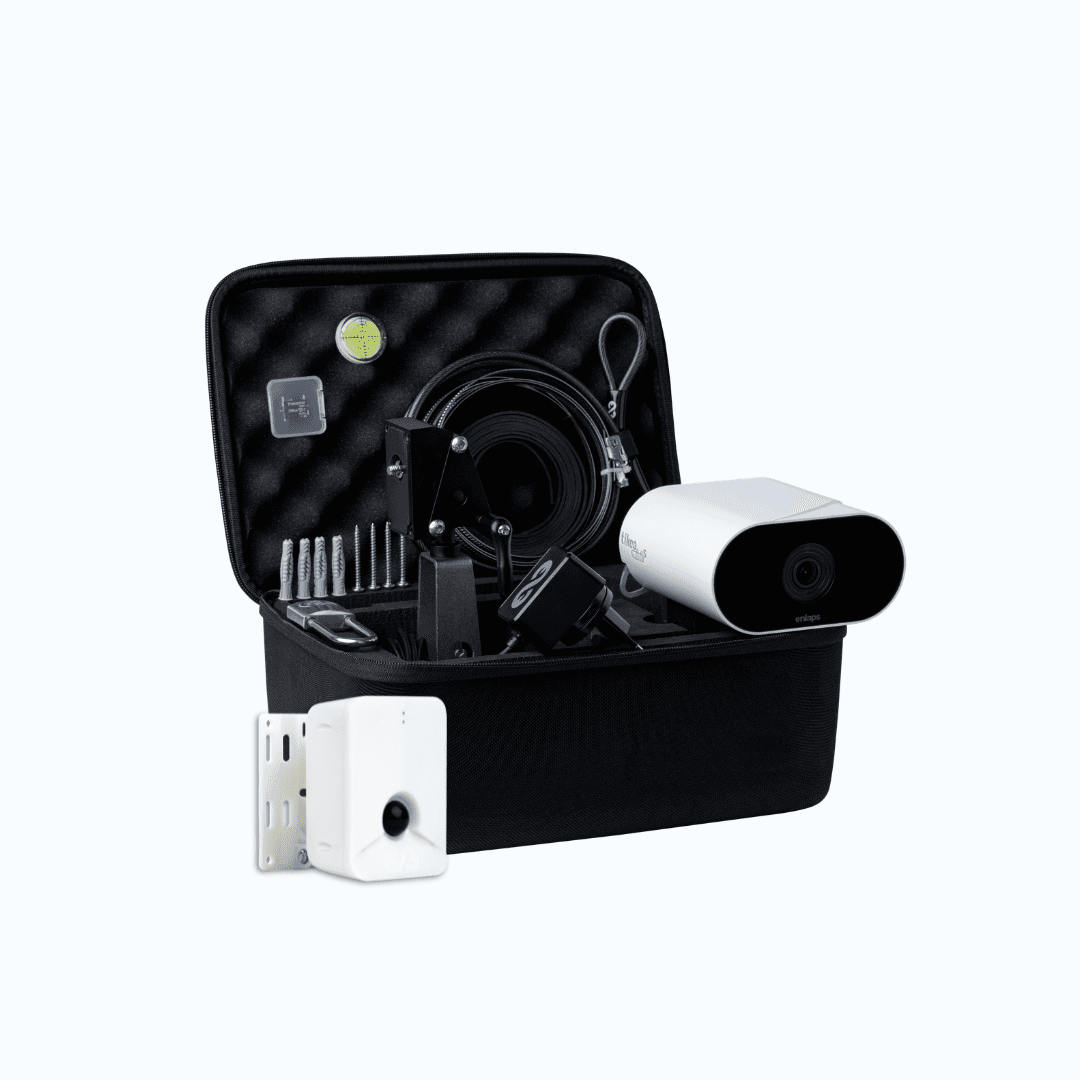
Total Monitoring Pack - Tikee mini S
1.548€ excl. tax

Total Monitoring Pack - Tikee 4X
2.547€ excl. tax
Made in France · Express Shipping · Trade-In Offer
What are the challenges of adopting digital construction technology?
The construction industry has access to a growing number of digital tools, but implementation remains a significant challenge.
Buying software is relatively straightforward. Changing workflows, connecting systems and ensuring that teams actually use the technology consistently is more difficult.
Technology costs and integration
Digital transformation requires investment in software, hardware, implementation and training.
The direct subscription cost is only one part of the equation. Companies may also need cameras, sensors, mobile devices, cloud infrastructure or technical support.
Integration can be another obstacle.
A construction company may already use separate systems for BIM, scheduling, cost management, reporting and document storage. Adding another tool without connecting it to the existing technology stack can create additional silos rather than removing them.
Before adopting a platform, organizations should therefore assess how easily data can move between systems and whether the solution supports existing workflows.
Skills and resistance to change
Technology only creates value when people use it correctly.
Construction teams often include people with very different levels of digital experience. A platform that feels intuitive to one user may represent a significant change for another.
Training is therefore essential, but adoption also depends on usability.
If entering information takes too long or adds unnecessary steps to field workflows, teams may return to spreadsheets, messaging apps or paper processes.
Successful digital construction management requires clear processes and a practical explanation of why each tool is being introduced.
The strongest adoption usually comes when technology solves an identifiable operational problem rather than when it is deployed simply because digital transformation is considered a strategic priority.
Data security and interoperability
Digital construction generates large volumes of potentially sensitive information.
Plans, financial data, site images and access information may all be stored or exchanged through cloud systems.
Companies therefore need clear rules for user access, data storage and cybersecurity.
Interoperability is equally important. Construction projects involve multiple companies, each potentially using different software.
If systems cannot exchange information easily, teams may need to export, convert and manually re-enter data. This reduces efficiency and creates opportunities for error.
Open formats, APIs and well-defined data standards can reduce these problems, although complete interoperability across construction software remains difficult to achieve.
Examples of digital solutions for construction
Digital solutions for construction can address very different operational needs.
A contractor managing a large infrastructure project will not necessarily need the same technology stack as a developer monitoring several residential sites.
Common examples include:
BIM software for design coordination and model management;
construction management platforms for scheduling, tasks and documentation;
visual monitoring systems for remote site supervision;
drones and fixed cameras for reality capture;
mobile applications for inspections and field reporting;
IoT platforms for connected sensors and equipment;
AI tools for document analysis, forecasting and image recognition;
digital twins for asset management and building operations.
These categories increasingly overlap.
For example, visual monitoring data can feed a construction data analytics software, allowing teams to turn site observations into structured information that can support project decisions.
AI can also extract information directly from drawings. Solutions focused on AI for Construction Drawings can help automate the interpretation of technical documents that would otherwise require significant manual review.
The most useful digital solutions are therefore not necessarily those with the largest number of features. They are the ones that fit naturally into existing workflows and provide information that teams can act on.
How to choose the right digital construction solution
Choosing digital construction technology should start with the problem that needs to be solved.
A company trying to improve remote visibility across multiple projects has different requirements from one focused on document management or safety compliance.
Several criteria should guide the selection process.
First, the solution must be simple enough for the intended users. A technically powerful platform delivers little value if field teams find it difficult to use.
Integration should also be considered early. The platform should fit the existing digital construction workflow and, where necessary, exchange information with project management, BIM or reporting tools.
Data quality is another important factor. Before automating analysis or reporting, companies need to understand how information will be collected and whether it will be consistent across projects.
Scalability also matters. A tool that works well on one pilot project should remain manageable when deployed across multiple sites and teams.
Finally, construction companies should evaluate whether the technology produces measurable operational value. Relevant indicators might include reporting time, frequency of site visits, number of coordination issues, schedule deviations or time required to retrieve project information.
A pilot project can help validate these assumptions before wider deployment.
DEMONSTRATION - 30 MINUTES
See the Tikee Solution in action at a construction site like yours
An expert shares their screen with a real-world project connected to the myTikee platform.
Connecting cameras
Managing different camera angles
AI Dashboard
People-blurring feature
No obligation · Time slots available quickly
What is the future of digital technology in construction?
Digital construction is moving toward increasingly connected systems.
Instead of using isolated tools for planning, monitoring and reporting, construction companies are beginning to connect these systems around shared project data.
Artificial intelligence is likely to play a growing role in this evolution.
Current applications already include document processing, image analysis, estimating and project management. Broader adoption of ai in construction could allow project teams to automate more analysis while identifying risks and patterns across larger datasets.
Computer vision is another important development. Cameras and drones can continuously generate visual information about construction sites, while AI models can help classify and analyze this data.
Digital twins are also likely to become more closely connected with live building and construction data. This could improve continuity between design, construction and facility management.
At the same time, the value of digital technology will increasingly depend on interoperability. More data does not automatically produce better decisions. Companies need systems that can combine information from different sources and present it in a form that project teams can actually use.
The direction of travel is therefore clear: digital construction is shifting from individual tools toward connected, data-driven workflows.
For construction companies, the priority is not to adopt every new technology. It is to identify where better information can remove friction, improve project control and support better decisions throughout the construction lifecycle.